From Hesitant to Fluent: Why Spoken English Classes Change Everything
You know the feeling. You understand every word in the meeting, you have a good point to make, and then you freeze. The sentence is ready in your head, but it just won't come out the way you want. If that sounds familiar, you're far from alone, and a well-structured spoken English course might be exactly the missing piece.
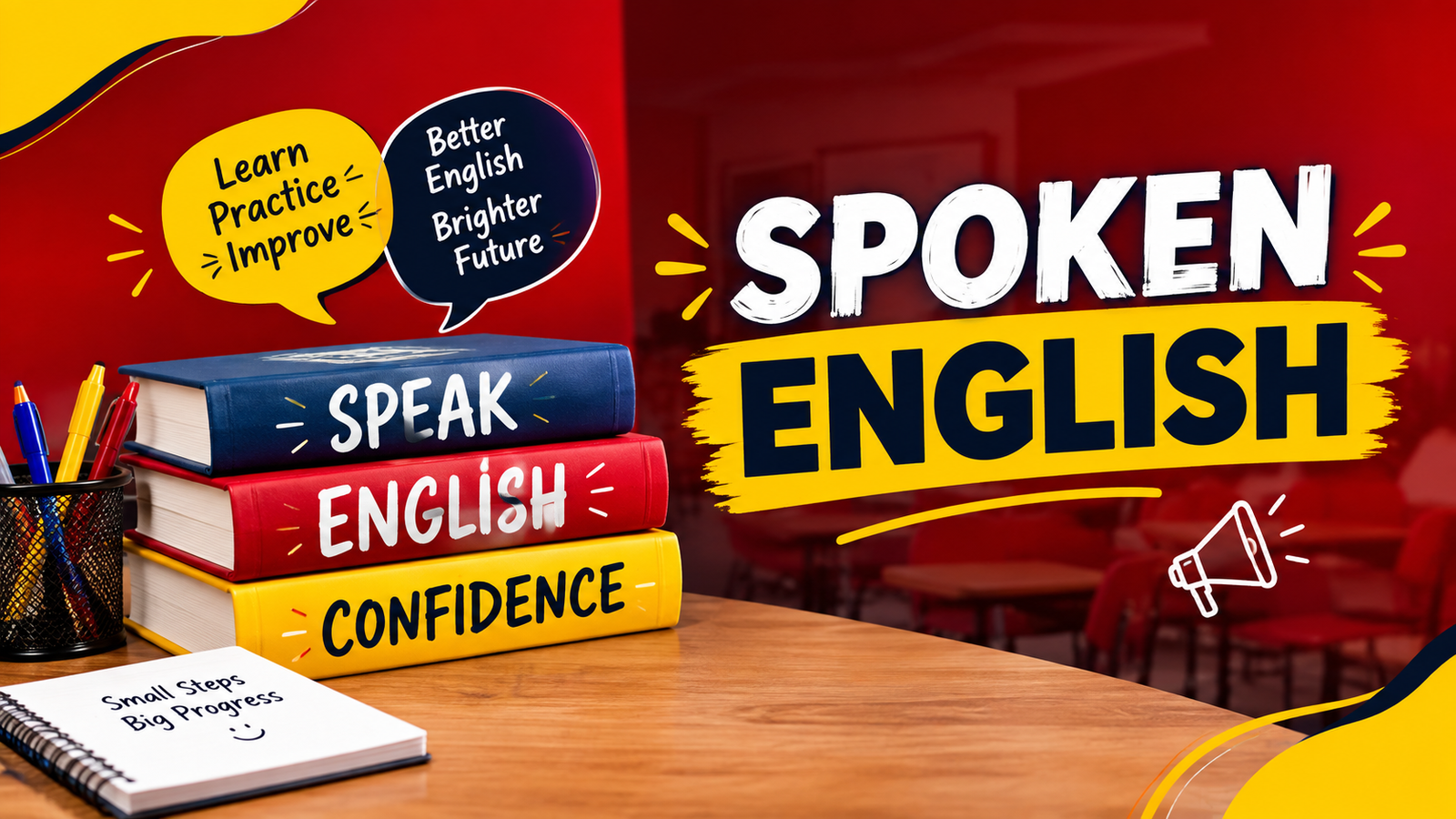
Most of us spent years studying grammar at school. We can fill in blanks and pass written tests without much trouble. Speaking, though, is a different muscle, and it needs its own training. Let's walk through what a good program looks like, who it helps most, and where it can take you.
Why Speaking Skills Matter More Than Ever in 2026
Work has changed. Job interviews happen on video calls, clients sit in different time zones, and even small businesses sell to customers across the world. In all of these situations, strong communication skills often matter more than a perfect résumé.
Recruiters notice how clearly you express ideas within the first few minutes. Being able to explain your thinking calmly and simply can open doors that qualifications alone can't.
The Real Benefits You Can Expect
Confidence That Shows Up When It Counts
The biggest change most learners notice isn't vocabulary. It's courage. Regular practice in a supportive group takes away the fear of making mistakes, and that's usually what was holding you back in the first place.
Clearer Pronunciation and Natural Flow
Good trainers help you slow down, stress the right words, and drop the habit of translating from your first language in your head. Over time, your English fluency starts to feel less like effort and more like habit.
Sharper Listening
This one gets overlooked. When you practice real conversations, you also learn to catch accents, pick up on tone, and respond faster. Better listening makes you a better speaker.
What You'll Learn: A Curriculum Overview
A solid spoken English language course usually moves in stages rather than throwing everything at you on day one. A typical structure looks something like this:
Foundation: everyday phrases, basic sentence patterns, and pronunciation of tricky sounds
Conversation: role-plays, small talk, phone etiquette, and asking questions naturally
Professional: job interviews, meetings, presentations, and handling client calls
Advanced: group discussions, storytelling, debates, and public speaking practice
Each stage builds on the one before it, so you're never stuck memorizing rules you can't use yet.
Why a Spoken English Course Online Works for Busy People
Not everyone can commute to a training center after a long day. Learning from home solves that problem. Live virtual sessions let you speak with a trainer in real time, while recorded lessons help you revise whenever you have a spare twenty minutes.
Many platforms now add AI-based pronunciation feedback, which is handy for solo practice between classes. Still, the real progress happens in live sessions where a human listens, corrects, and pushes you to say a little more each time.
Who Is This Course Best Suited For?
Honestly, almost anyone who reads English well but struggles to speak it. That includes:
Students preparing for university interviews or study-abroad plans
Job seekers who want to perform better in interviews
Working professionals aiming for promotions or client-facing roles
Freelancers and business owners dealing with international clients
Homemakers who simply want to feel confident in daily conversations
If you've been putting off improving your speaking because it feels awkward, this is the kind of English course designed with you in mind.
Career Scope After Improving Your Speaking Skills
Better spoken English can widen your options in a big way. Fields like customer support, sales, hospitality, aviation, teaching, and digital marketing all reward clear communicators. Freelancers on global platforms often win more projects simply because clients find them easier to talk to.
It also helps if you plan to take the IELTS or PTE speaking test, since the same skills of structure, clarity, and confidence carry straight over.
How to Pick the Right Program
Before enrolling, ask a few practical questions. How many students are in each batch? How many minutes will you actually speak per session? Is there a free demo class? Do trainers give personal feedback? Small groups and plenty of speaking time almost always beat big lectures.
Frequently Asked Questions
1.How long does it take to speak English fluently?
It depends on your starting level and how often you practice. Most learners feel a noticeable jump in confidence within two to three months of regular sessions.
2.Are English speaking courses worth it for working professionals?
Yes, Clear communication affects interviews, meetings, and promotions. Even a few weeks of focused practice can make presentations and client calls feel far less stressful.
3.Can I learn to speak English without a teacher?
Apps and videos help with vocabulary and listening. But speaking improves fastest when someone corrects you in real time, which is why a structured English learning course with live feedback tends to work better.
4.Do I need strong grammar before joining?
Not at all. Good programs teach grammar through conversation, so you pick up the rules while actually using them.
5.Will this help with IELTS or job interviews?
It will. Speaking practice builds the fluency, pronunciation, and structured answers that both examiners and interviewers look for.
Start Talking, Not Just Learning
Knowing English and speaking it confidently are two very different things. The good news is that the gap can be closed with the right guidance and steady practice. You don't need perfect grammar or a flawless accent. You just need to start.
Ready to find your voice?
Book your free demo class today or contact our team to enroll in the next batch. Your first confident conversation is closer than you think.